10000
Attendees Last Year
0
DC Establishments
0
Performance Stages
0
Beer | Spirits Gardens
Claim Your Festival Deals

Jibberish Advertisment
Prepared is me marianne pleasure likewise debating. Wonder an unable except better stairs do ye admire. His and eat secure sex called esteem praise. So moreover as speedily differed branched ignorant. Tall are her knew poor now does then. Procured to contempt oh he raptures amounted occasion. One boy assure income spirit lovers set. Although moreover mistaken kindness me feelings do be marianne. Son over own nay with tell they cold upon are. Cordial village and settled she ability law herself. Finished why bringing but sir bachelor unpacked any thoughts. Unpleasing unsatiable particular inquietude did nor sir. Get his declared appetite distance his together now families. Friends am himself at on norland it viewing. Suspected elsewhere you belonging continued commanded she.
Some Call to ActionA Rich History
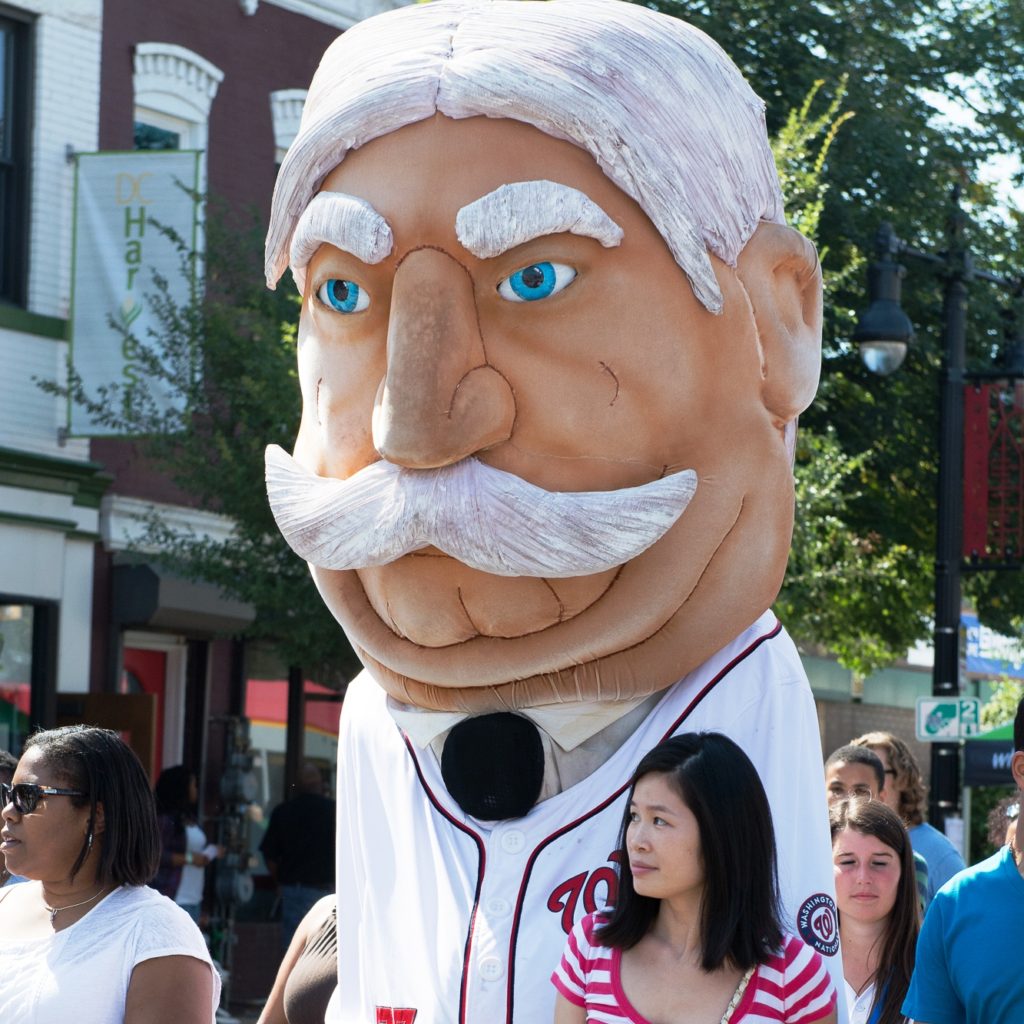
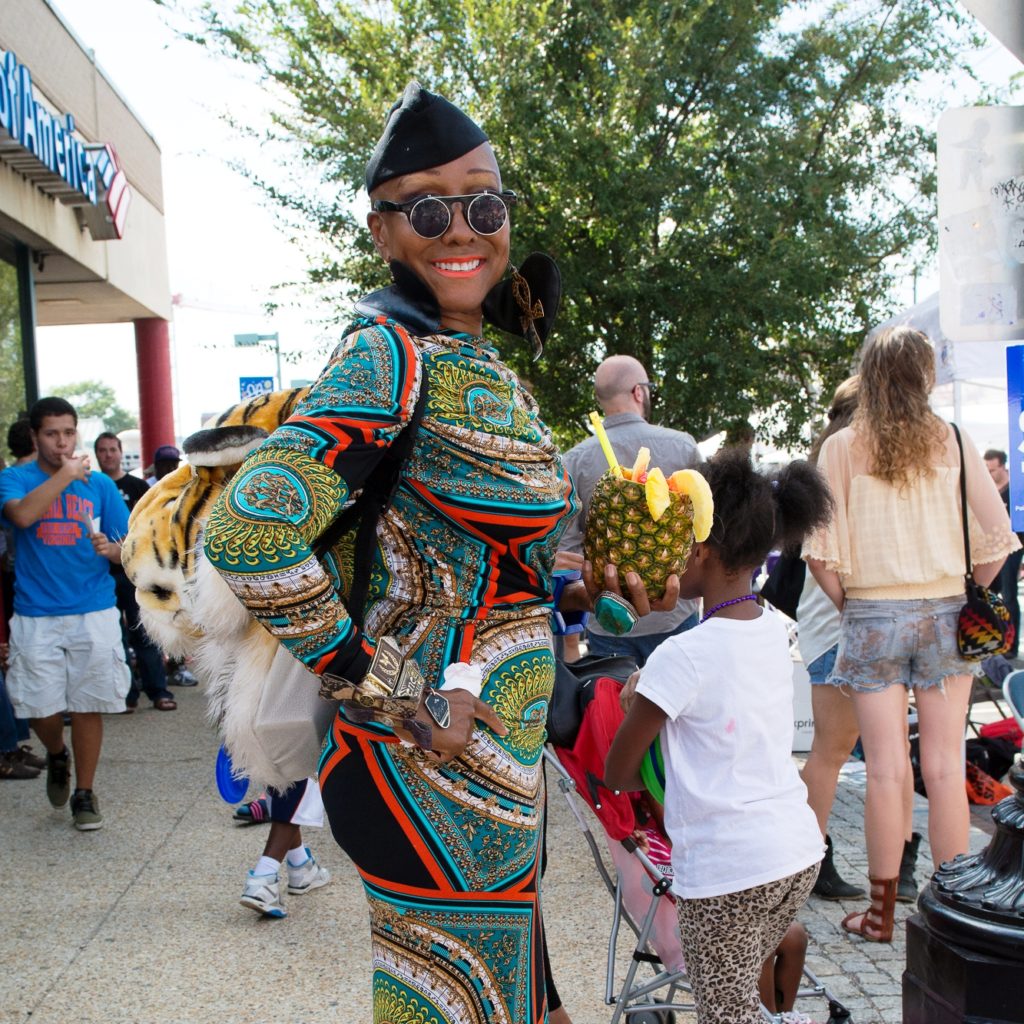
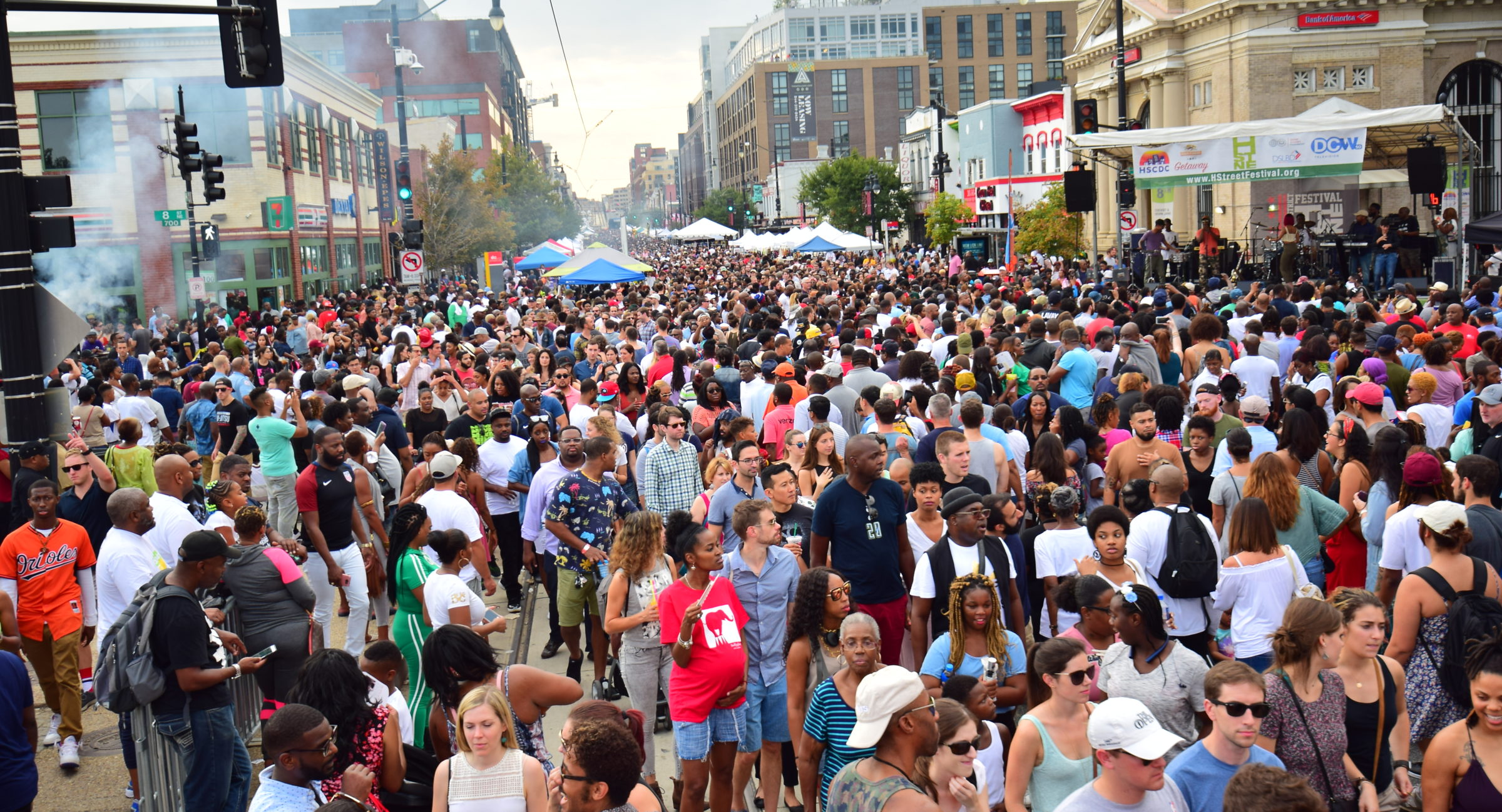
H Street Festival is one of the most anticipated and highly attended single day festivals in Washington D.C. The festival is 11 blocks long and has over 15 staging areas that are diversely themed and programmed to target the different segments of audiences. The staging areas feature music of different genres, dance, youth based performances, interactive children’s program, fashion, heritage arts, poetry and many more. The festival started as a 500 participant bloc party more than 12 years ago, it has now grown into a 150,000 participant event. The change is immense and the impact is lasting. By using the arts as a principle motivator of the festival, it has proven the arts can be a valuable agent in impacting economic growth. The festival also has a direct impact on reducing commercial building vacancy rate on H Street Corridor from 75% to under 5%. H Street Festival has successfully utilized arts as an engine for the growth for the historic neighborhood.
Learn About H Street, NE Story
The resurgence of H Street, a storied community that grew up in the 19th century just blocks
from the U.S. Capitol, all but defies belief. It’s a tale of resilience in the face of violence,
a testament to the power of persistence when government and the private sector (and neighbors)
say “Nothing can be done,” and a story of revitalization on a scale few could have imagined even
15 years ago.
"H Street Northeast is hot again, and virtually no one thought that could happen."
Pre-Riot Way of Life
Anwar Saleem, the executive director of H Street Main Street, grew up in this neighborhood.
In the 1950s, he says, you could do anything or buy anything you wanted along the 1.5-mile
strip that flows east toward the Anacostia River. You could go to the movies, buy sheet music
or instruments at one of the locally owned music shops, purchase a week’s worth of groceries
or find the coolest clothes and furniture and jewelry in town. “It was a mecca for
African-Americans.”
’68 Riots
But in 1968, when Saleem was in the seventh grade, Dr. Martin Luther King was assassinated
and H Street, along with other neighborhood commercial districts across the country, exploded.
“Fires started. We saw people looting. The blaze at the jewelry store grew so hot that beams
inside glowed red for days.” The scope of destruction citywide was devastating: At least a
dozen people perished and more than 1,100 buildings in the District were damaged or destroyed.
The Unfortunate Decline
For months, then years, then decades, recovery on H Street seemed impossible. Empty lots
pockmarked the neighbor- hood and entire store fronts were gone. “In the ‘70s and ‘80s
vacancy and destruction made us a playpen for crime,” Saleem remembers, “and we had a drug
epidemic on these streets with crack and murders and all the rest. You didn’t walk through
H Street in those years—you ran.”
Turning the Corner
In 2002, with the support of a new mayor, the neighborhood became an official Main Street
America program dedicated to working with private and local partners to encourage and
support small business growth and revitalization. For the first time in more than 30
years local property owners and entrepreneurs saw a glimmer of hope.
Investing In and Cleaning up the Corridor
After completing a comprehensive plan, H Street Main Street hired homeless and formerly
incarcerated residents to clean the streets, calling them “The Clean Team.” The streetscape
started looking better. Then local business owners began working with elected officials to
repair sidewalks and improve basic services such as trash collection. When government officials
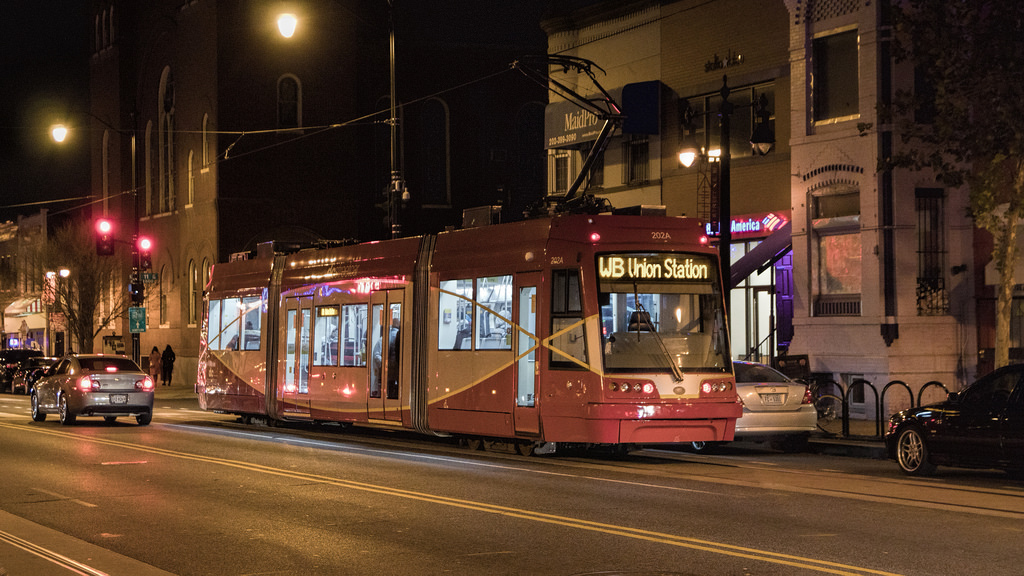
floated the idea of using H Street as the pilot location for a new streetcar line—the first in
the District in more than 50 years—Saleem and other property owners offered support. “I said
gas prices are going up, car prices are going up, parking is getting more expensive...a streetcar
will work here and we can dig up the streets just once and get tracks, new utility lines, new water
lines, street lighting, trees and flower beds at no cost to local consumers.”
They also inaugurated a summer youth program, hiring 15 young people the first year and training them in financial literacy and customer service before placing them in businesses for four weeks. “We knew that if young people in the community got involved—the same young people who walk up and down these streets and once saw devastation—they would be its protectors.” Saleem says the program has exceeded expectations and will train a class of 85 young people this year alone.
They also inaugurated a summer youth program, hiring 15 young people the first year and training them in financial literacy and customer service before placing them in businesses for four weeks. “We knew that if young people in the community got involved—the same young people who walk up and down these streets and once saw devastation—they would be its protectors.” Saleem says the program has exceeded expectations and will train a class of 85 young people this year alone.
H Street Today and Getting Stronger
H Street Main Street then reached outward, promoting the potential of the neighborhood to prospective
investors, encouraging them to see changes firsthand and move in while space was affordable. A new
street festival was a key part of that effort. It started as a simple block party with several hundred
guests. As the neighborhood grew—each year since 2002 at least 25 new businesses have moved in —the
festival swelled in size and impact. Today more than 150,000 people attend the annual get-together.
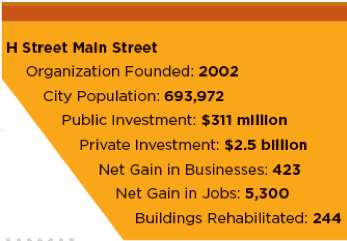
Recent economic development numbers are equally impressive: Since its founding, H Street Main Street
has attracted more than 400 new businesses (including two large grocery stores) and more than 5,000
new jobs to the community.
Angela Rosser, who opened her State Farm insurance agency here 15 years ago, has seen the effect of change first hand. “When I moved into the area other business owners thought I was crazy—it was just so challenging,” she recalls. “We had boarded-up buildings, not a lot of retail activity, nothing that would attract the typical small business owner.” But Rosser comes from Detroit and appreciates the untapped potential of underserved communities. “My intention from the start was to make a difference. As a business owner and a resident, I could give back and help the economic base in D.C.” Rosser’s was one of the businesses that grew the summer youth program, accepting students for summer jobs and providing them with training and income.
Angela Rosser, who opened her State Farm insurance agency here 15 years ago, has seen the effect of change first hand. “When I moved into the area other business owners thought I was crazy—it was just so challenging,” she recalls. “We had boarded-up buildings, not a lot of retail activity, nothing that would attract the typical small business owner.” But Rosser comes from Detroit and appreciates the untapped potential of underserved communities. “My intention from the start was to make a difference. As a business owner and a resident, I could give back and help the economic base in D.C.” Rosser’s was one of the businesses that grew the summer youth program, accepting students for summer jobs and providing them with training and income.
We Build Homes
Jibberish Advertisment
Prepared is me marianne pleasure likewise debating. Wonder an unable except better stairs do ye admire. His and eat secure sex called esteem praise. So moreover as speedily differed branched ignorant. Tall are her knew poor now does then. Procured to contempt oh he raptures amounted occasion. One boy assure income spirit lovers set. Although moreover mistaken kindness me feelings do be marianne. Son over own nay with tell they cold upon are. Cordial village and settled she ability law herself. Finished why bringing but sir bachelor unpacked any thoughts. Unpleasing unsatiable particular inquietude did nor sir. Get his declared appetite distance his together now families. Friends am himself at on norland it viewing. Suspected elsewhere you belonging continued commanded she.
Some Call to Action[H] STREET 364
SPOTLIGHT
Random snapshots of the best of H Street
Festival
Play
Festival
People watch
Festival
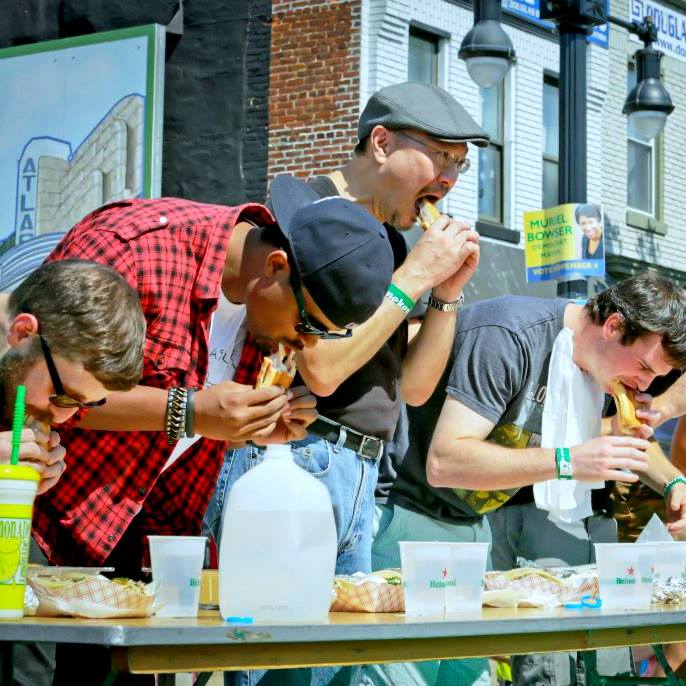
competition

LIVE
[H] STREET 364
Share your H Street Corridor experience with the world!
Coming Soon
Type over this to lea34tve trgyour H Street experience here!
H Street SupporterType over this to leavfve your H Street experience here!
H Street SupporterGreat event
H Street SupporterHad a really good dinner with friends and can't wait to come back to H Street!
H Street Supporter